
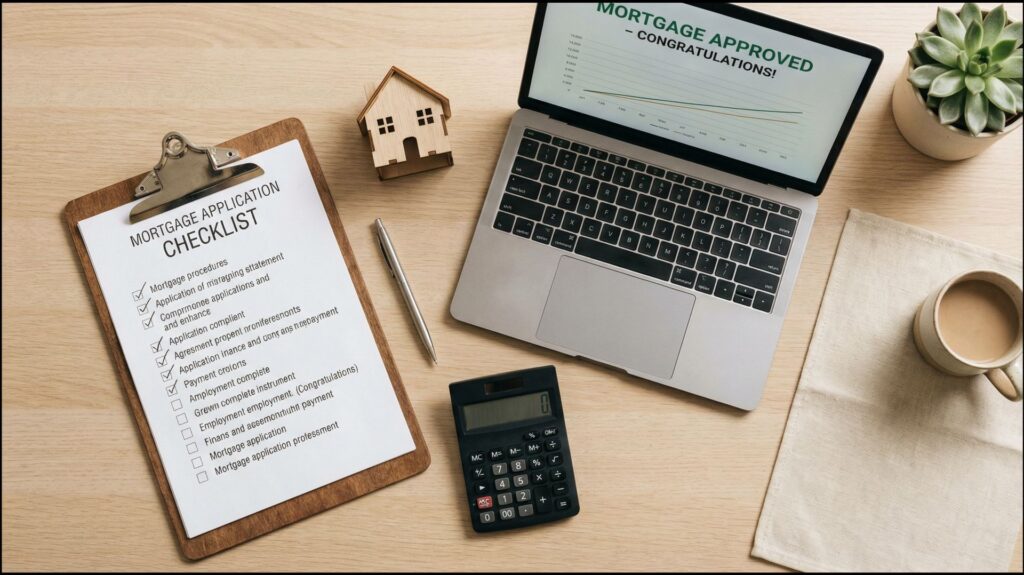
Applying for a mortgage can feel like a mountain of paperwork, but being prepared is the single best way to ensure a smooth, fast, and stress-free process. When you have all your documents in order, you empower your mortgage professional to find you the best rates and get a swift approval. This ultimate checklist will help you get organized and ready for success.
Phase 1: The Pre-Approval Foundation
Getting pre-approved is the first step. It tells you how much you can afford and shows sellers you’re a serious buyer. Here’s what you’ll need to get started:
Personal Information
- Government-Issued ID: A clear copy of your driver’s license or passport for all applicants.
- Social Insurance Number (SIN): For pulling your credit report.
Proof of Employment & Income
- If you are a salaried employee:
- A recent paystub (within the last 30 days).
- A Letter of Employment on a company letterhead, stating your position, salary, and start date.
- Your last two years of T4s or Notices of Assessment (NOA) from the CRA.
- If you are self-employed or work on commission:
- Your last two years of full T1 General tax returns.
- Your last two years of Notices of Assessment (NOA) to show there are no taxes owing.
- Business registration documents or articles of incorporation.
Proof of Down Payment
You must prove where your down payment is coming from. Lenders need to see a 90-day history of the funds to ensure they are not from an unapproved loan.
- Savings/Investments: Three months of statements from your bank accounts, TFSAs, RRSPs, etc.
- Gifted Down Payment: A signed gift letter from an immediate family member stating the funds are a true gift and not a loan. You will also need to show the funds being deposited into your account.
- Sale of a Property: A firm contract of sale for your current home.
Phase 2: Once You Have an Accepted Offer
Congratulations! You’ve found a home and your offer was accepted. Now, we need to provide the lender with details about the property to finalize your approval.
Property Details
- The Purchase and Sale Agreement: The full, signed contract for the property you are buying.
- MLS Listing: The real estate listing sheet with all the property details.
- Proof of Property Taxes: The current property tax amount.
- Condo Documents (if applicable): If you are buying a condominium, you will need the condo corporation’s financial statements and other documents for the lender’s review.
Pro Tips for a Faster Approval
- Don’t Make Any Major Financial Changes: Avoid changing jobs, financing a new car, or opening new credit cards during the application process.
- Be Upfront and Honest: Disclose all your debts and financial obligations from the start. Hiding information will only cause delays and potential rejection later.
- Organize Your Documents: Scan and save all your documents as clearly named PDF files in a dedicated folder. This makes it easy to email them to your mortgage professional in one go.
Being prepared is the key to a low-stress mortgage experience. By gathering these documents ahead of time, you put yourself in the driver’s seat for a quick and successful home purchase.
Ready to get started? Let’s review your situation and build your personalized checklist today.